Seasonal moisture and its impact in Tulsa
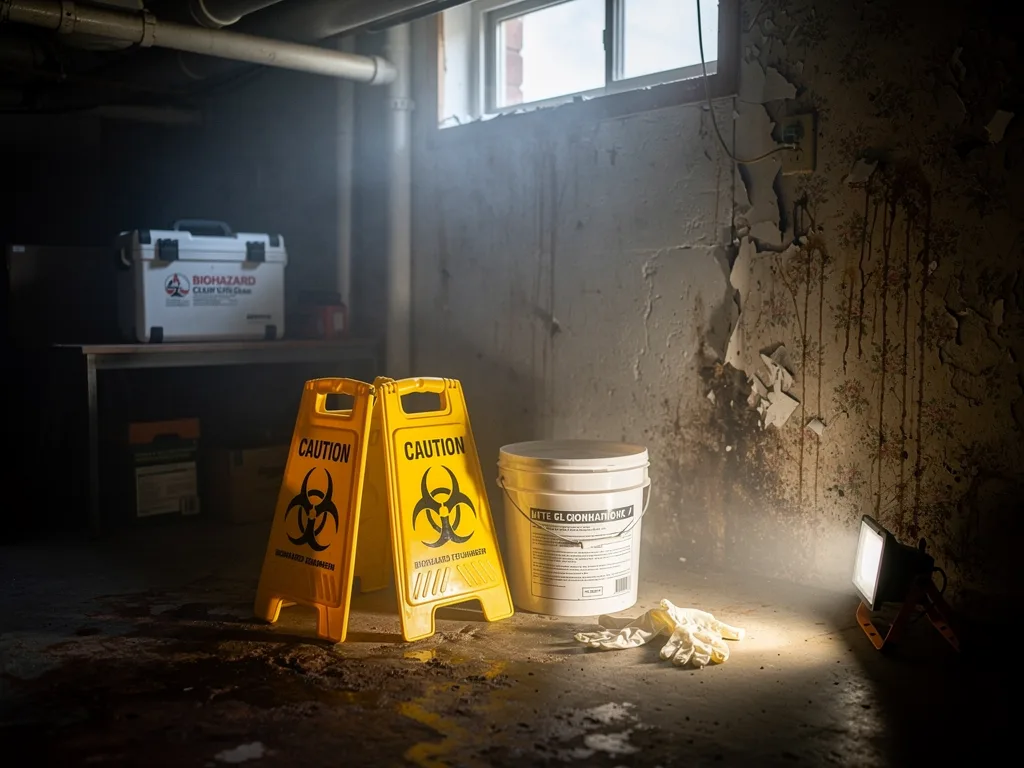
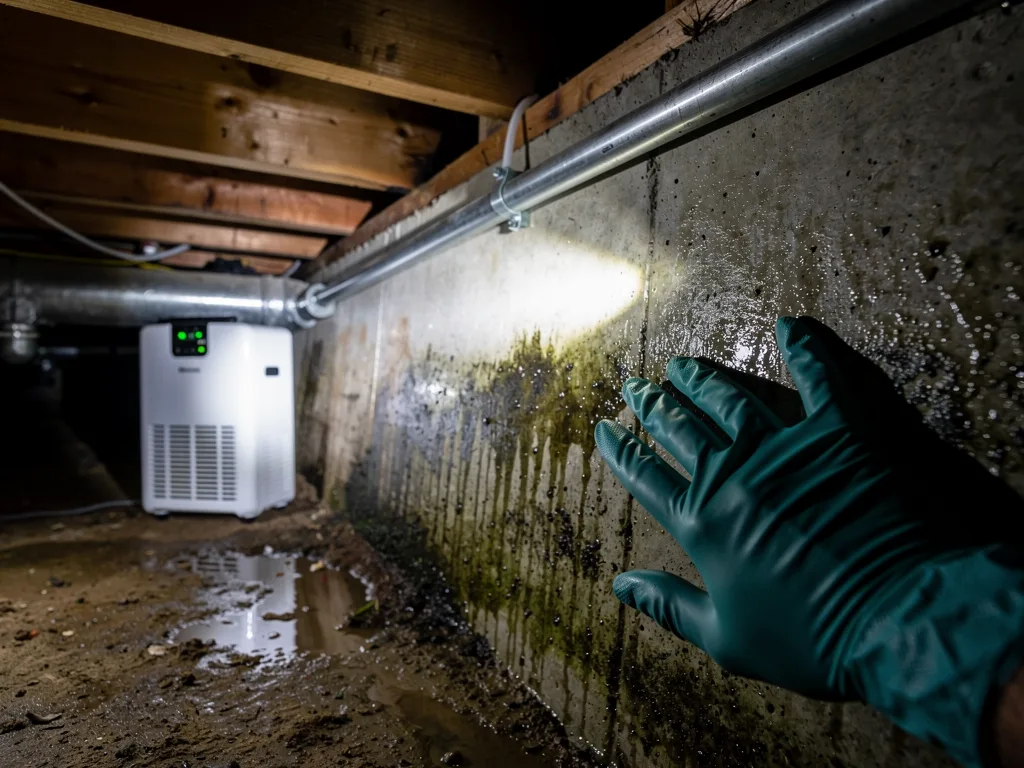
Tulsa experiences humidity swings that can affect moisture levels inside the home. Higher humidity can promote mold growth and other biohazards in hidden spots like basements, crawl spaces, and attics. Start by checking for musty odors after rain and during humid spells. If you detect a scent or see damp spots on walls, it’s a good time to call a biohazard remediation technician to inspect before the problem grows.
Preventive steps you can take
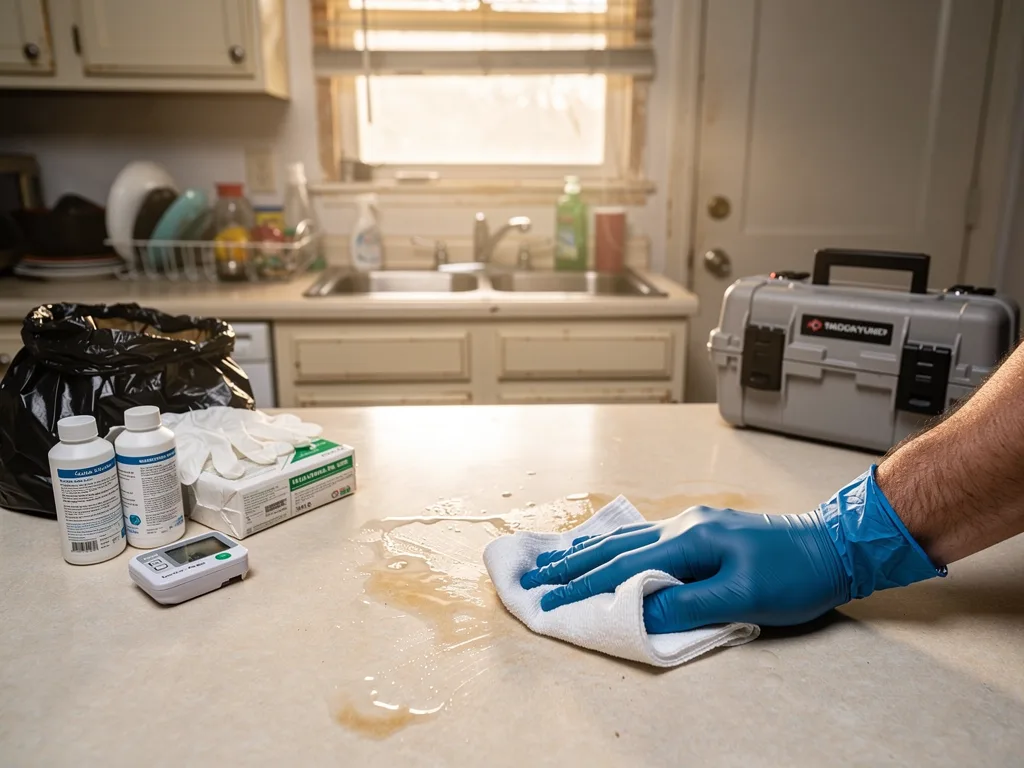
Regular inspections help. In Tulsa, check under sinks, around laundry rooms, and in basements for any staining or dampness. Consider a simple triage routine: look for discoloration, odor, and apparent moisture at least quarterly. Replace any damp towels or fabrics promptly and ensure proper ventilation in areas prone to moisture. Our team can advise on sensible upgrades that reduce the risk of contamination indoors.
Seal potential entry points for moisture and pests, and maintain an interior humidity level around 30 to 50 percent when possible. If you’re unsure how to monitor humidity, we can help you understand readings and what they mean for your home’s air quality.
Seasonal reminders for Tulsa homes
After severe weather or freezing temperatures, inspect for signs of water intrusion. If you spot dampness after a storm, don’t delay. Contact a biohazard remediation technician who can determine if contamination has occurred and recommend steps to restore a safe living space. Tulsa Biohazard Cleanup Experts keeps the focus on clear reporting and practical next steps so you know what’s happening and what to expect.